Some people have a Visual Processing Disorder (also known as Irlen® Syndrome) caused by a defect in one of the visual pathways that carries messages from the eye to the brain.

This defect causes a timing fault in processing visual information which can result in reading, comprehension and concentration difficulties for children and adults.

What is Visual Processing Disorder?

Visual Processing Disorder, also known as Irlen® Syndrome, appears to be caused by a defect in one of the visual pathways that carries messages from the eye to the brain. This defect causes a timing fault in processing visual information.

It is as if the brain was a radio and the frequency selector was not quite on the station, so that static interfered with the reception.

A Visual Processing Disorder cannot be identified through standard psychological, educational or optometric testing. It is not an ophthalmological or optometric problem, but may co-exist with it.

It can affect both adults and children, manifesting itself differently for each individual and interfering with a range of activities which can be a lifetime barrier to learning.

Common Signs of Visual Processing Disorder

Common Signs and Symptoms
  • Visual Distortions: Letters or words look blurry, move, fade, or swirl on the page.
  • Physical Discomfort: Frequent headaches, migraines, eye strain, or dizziness from bright or fluorescent lights.
  • Reading Issues: Slow reading speed, poor comprehension, or skipping lines.
  • Depth Perception: Trouble judging distances or stairs.

What can help Visual Processing Disorder?

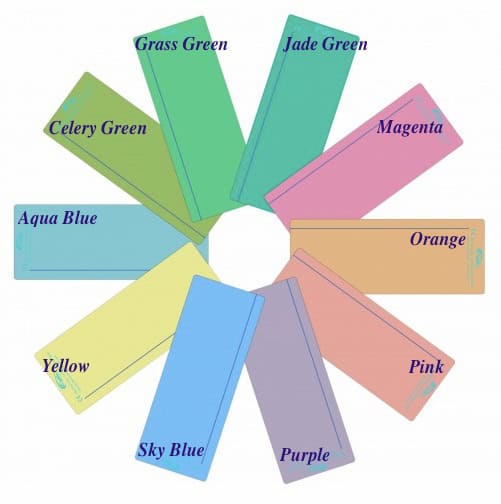
Some people respond really well to spectral filters – overlaying a colour on what you are reading.